
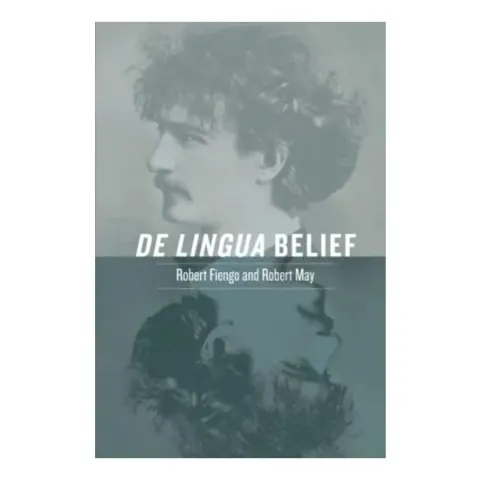
 De Lingua Belief
Prețuri actualizate de 4 ori pe zi. Bookuria primește un mic comision dacă cumperi după un click, fără cost în plus pentru tine.
Istoricul prețului
cel mai mic preț din toate librăriile, zi de zi, din 20 octombriePrețul n-a mai fost schimbat de pe 20 octombrie.
- Azi
- 6,99 lei
- Cel mai mic
- 13,99 lei20 octombrie
- Media
- 13,99 lei
- Cel mai mare
- 13,99 lei
Anunță-mă când se ieftineșteÎți scriem când prețul scade sub 6,99 lei (cu cel puțin 5%).
Despre carte
Speakers, in their everyday conversations, use language to talk about language. They may wonder about what words mean, to whom a name refers, whether a sentence is true. They may worry whether they have been clear, or correctly expressed what they meant to say. That speakers can make such inquiries implies a degree of access to the complex array of knowledge and skills underlying our ability to speak, and though this access is incomplete, we nevertheless can form on this basis beliefs about linguistic matters of considerable subtlety, about ourselves and others.
It is beliefs of this sort--de lingua beliefs--that Robert Fiengo and Robert May explore in this book. Fiengo and May focus on the beliefs speakers have about the semantic values of linguistic expressions, exploring the genesis of these beliefs and the explanatory roles they play in how speakers use and understand language. Fiengo and May examine the resources available to speakers for generating linguistic beliefs, considering how linguistic theory characterizes the formal, syntactic identity of the expressions linguistic beliefs are about and how this affects speakers' beliefs about coreference.
Their key insight is that the content of beliefs about semantic values can be taken as part of what we say by our utterances. This has direct consequences, examined in detail by Fiengo and May, for explaining the informativeness of identity statements and the possibilities for substitution in attributions of propositional attitudes, cases in which speakers' beliefs about coreference play a central role.
Recenzii de la cititori
Toate recenziile →Ai citit cartea? Spune-le și altor cititori cum ți s-a părut. Recenziile se scriu din contul gratuit de cititor.
Încă nicio recenzie de la cititori. Fii primul care scrie una!
Cărți asemănătoare
 Noua Europa. Vol. 2: O istorie politica a (re)unificarii europeneIordan Gheorghe Barbulescu
Noua Europa. Vol. 2: O istorie politica a (re)unificarii europene
Iordan Gheorghe Barbulescu 9,99 lei
 Siria. Țara care ne-a fost casăAlia Malek
Siria. Țara care ne-a fost casă
Alia Malek 5,00 lei
 Dragă Sisiluț, noi pe lumea asta nu o să ne mai vedemAnca Ștef, Raul Ștef
Dragă Sisiluț, noi pe lumea asta nu o să ne mai vedem
Anca Ștef, Raul Ștef 10,00 lei
 Viața de zi cu zi în documente vechi de familieCatalin D. Constantin
Viața de zi cu zi în documente vechi de familie
Catalin D. Constantin 10,00 lei
 Blocați conturile! Crimă și spălare de bani în Rusia lui PutinBill Browder
Blocați conturile! Crimă și spălare de bani în Rusia lui Putin
Bill Browder 10,00 lei
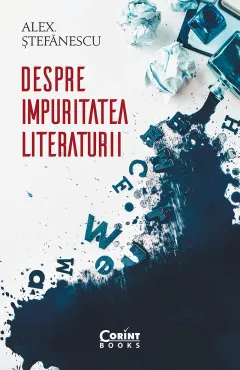 Despre impuritatea literaturiiAlex. Stefanescu
Despre impuritatea literaturii
Alex. Stefanescu 5,00 lei